

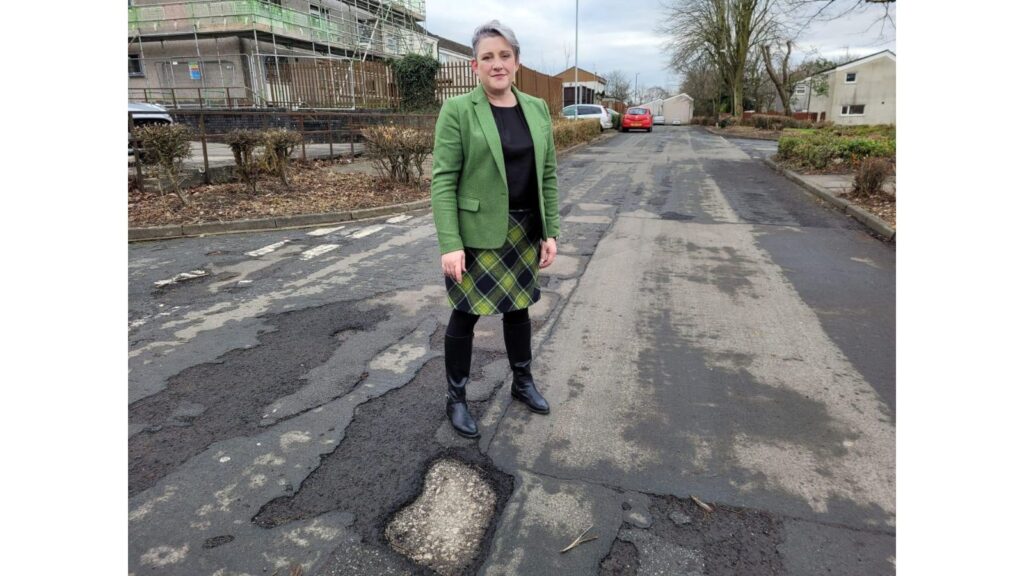
Ashley Dalton, Member of Parliament for West Lancashire, welcomes the Labour Government’s record funding boost for road maintenance, including over £195 million for Lancashire Combined County Authority.
Councils across England will fix potholes and prevent new ones, thanks to a doubling of roads cash by the end of the Parliament as part of the Budget.
Each local authority will be able to use its share of the £7.3 billion to identify the roads most in need of repair and deliver immediate improvements for communities and residents.
The Government is also turning up the pressure on local authorities by more than tripling the share of local roads funding that is tied to transparency – from 8% to over 30% of the budget, worth more than £500 million. Councils can only unlock the funding if they publish clear pothole and maintenance data and follow best practice.
Ashley Dalton MP said:
“When I became MP for West Lancashire, something I was hearing lots by residents was their frustration at the poor state of our roads. I vowed to change that, and that’s exactly what’s happening.
“Well-maintained roads keep our local businesses moving, our communities connected and growth reaching every part of West Lancashire.
“I’m really pleased that this Labour Government is delivering on our Manifesto promise by investing in our reads, having doubled the funding for potholes that was promised by the previous Conservative government.
“Labour is making a real difference to people’s lives. Along with the freeze on rail fares and prescription charges, and £150 off average energy bills from the measures in the Budget, it’s clear that we are on the side of working people.”
The announcement follows the recent Budget, which included a range of measures to address the cost of living, including freezing regulated rail fares for 12 months, keep prescription charges frozen at £9.90, and bringing forward a number of measures to reduce energy bills.
The Chancellor was clear she was determined to defy the forecasts and promised to break Britain out of its cycle of decline through stability, investment and reform.